


It is evaluated for its effect on the growth, yield attributes and seed productivity of soybean across three contrasting agro-ecological zones.
The multi-location field study demonstrated a consistent positive response across all three environments, with improvements in plant growth, yield-contributing characteristics and final seed yield compared with the untreated control.
Trial at a Glance
Crop: Soybean (Glycine max)
Variety: Harit Soya
Experimental Design: Randomized Block Design
Replications: 3
Application Rates: 250, 325 & 500 mL/ha
Application Stages: 2–3 leaf, flowering & pod formation
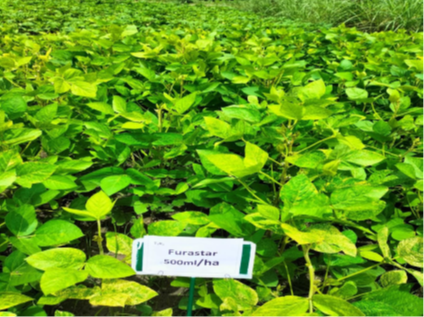
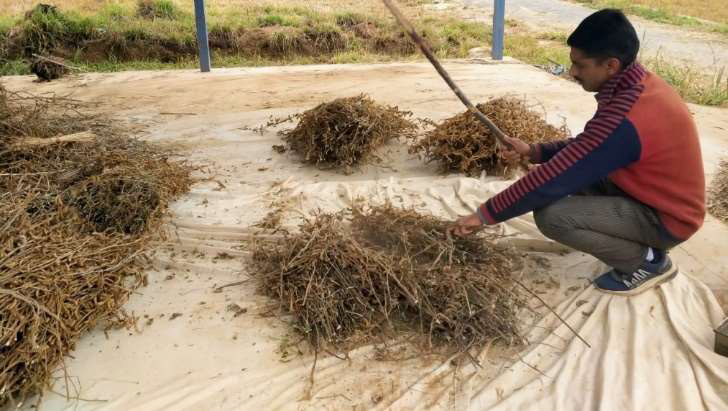
Tested Across Three Distinct Growing Environments
ZONE I – AKROT
Sub-Montane Low Hills Subtropical Zone
ZONE II – PALAMPUR
Mid-Hill Sub-Humid Zone
ZONE III – AWARNA
High Hills Temperate Wet Zone
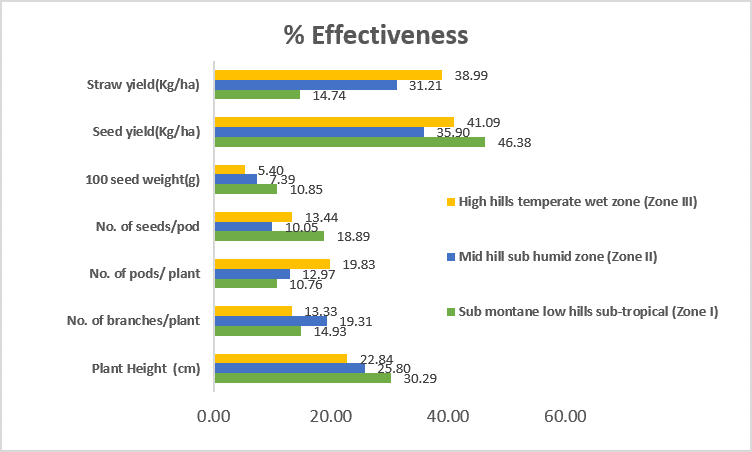
Seed Yield Response
At the highest evaluated application rate of 500 mL/ha, Product increased soybean seed yield across all three locations:
| Location | Control | Dose@ 500 mL/ha | Yield Increase |
| Akrot | 1,076 kg/ha | 1,575 kg/ha | +46.4% |
| Palampur | 1,443 kg/ha | 1,961 kg/ha | +35.9% |
| Awarna | 864 kg/ha | 1,219 kg/ha | +41.1% |
The response was observed despite considerable differences in baseline soybean productivity between the three locations.