


Crop Challenge
Abiotic stress during flowering can adversely affect tomato fruit set, development and marketable yield.
Agronomic Evaluation
Evaluation of Carrabiitol® potential in the alleviation of adverse effect of abiotic stress (Drought, high temperature and salinity) in tomato-Effects on fruit yield and quality
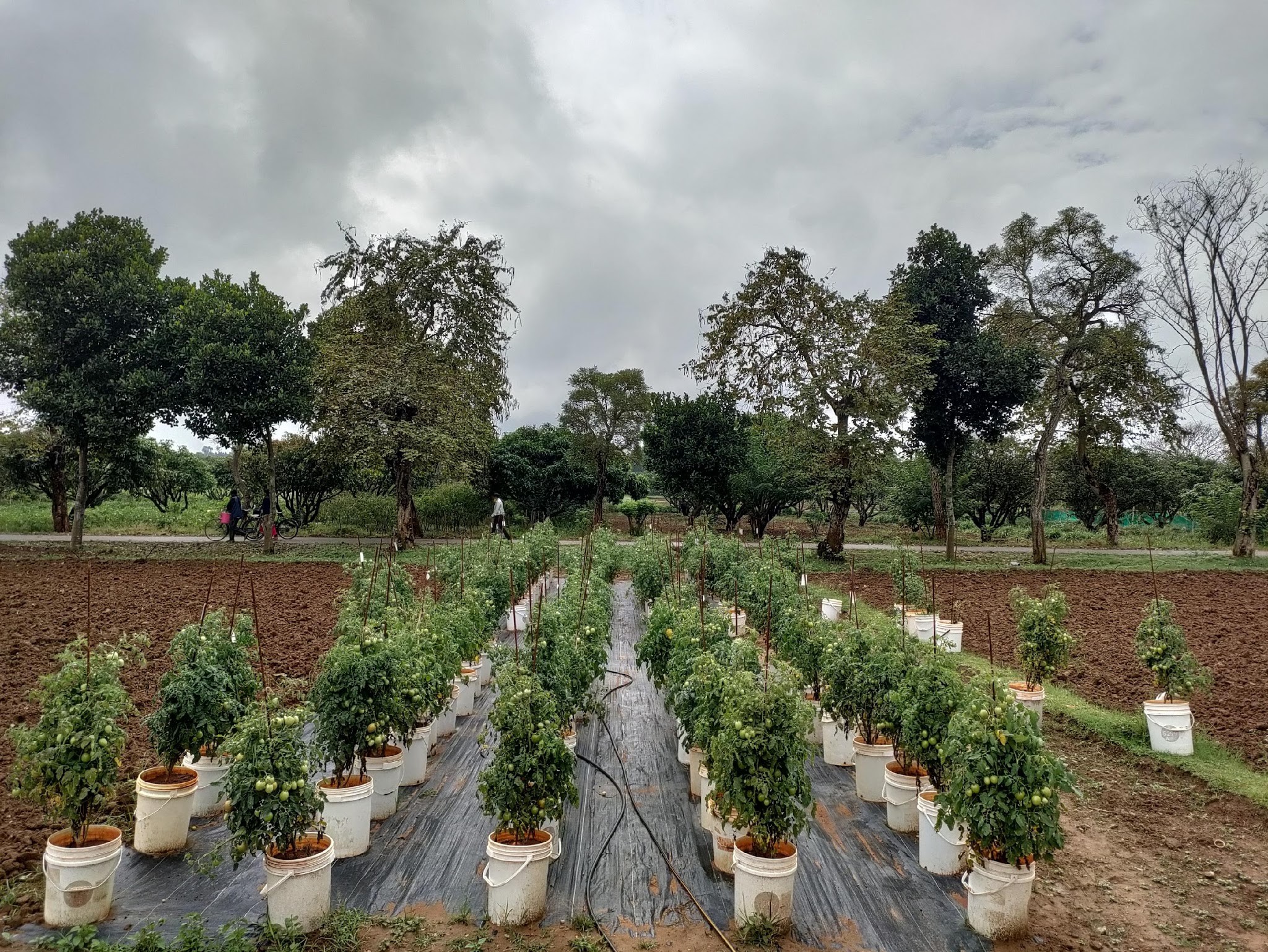
Experiment Details
Crop : Tomato
Variety : Arka Rakshak
Stress Conditions : Drought, High temperature and Salinity Stress
Stress stage : Flowering
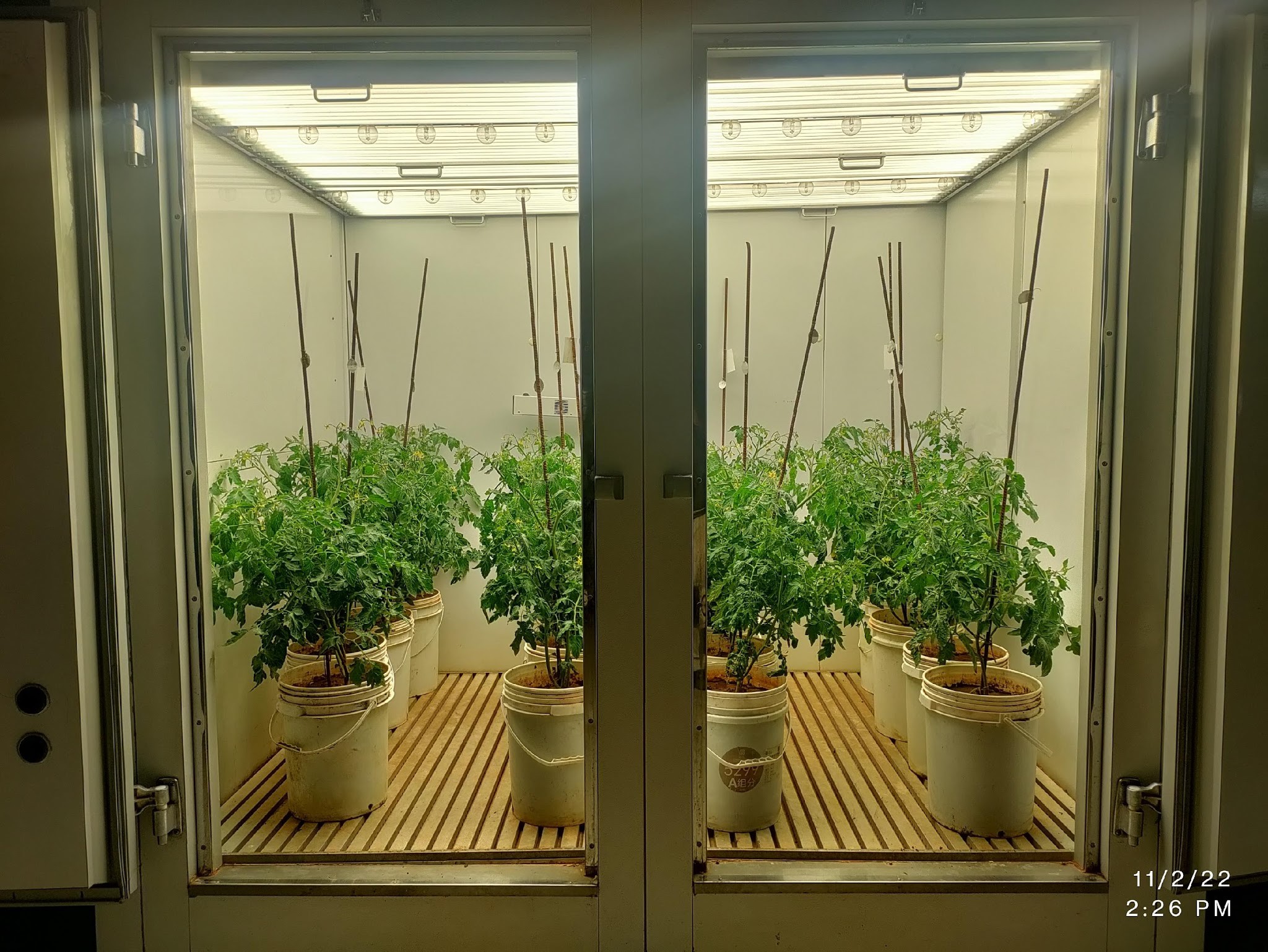
Drought : Withholding water supply for 5 days
Salinity : 50 mM NaCl (EC ~ 4.6) for 8 days
Heat : 40 ℃ for 3 days
Commercial Control : Mixture of Ascophyllum Nodosum and Protein Hydrolysate
Experiment type : Randomized Block Design
Statistical Calculation : Critical Difference at 5% probability level and 95% confidence level
Replications : 4
Carrabiitol® Application Program
Carrabiitol® was evaluated through:
Seed Treatment
↓
Foliar Application at Vegetative Stage
↓
Additional Foliar Application at Pre-Flowering Stage
The comprehensive Carrabiitol® treatment programme was compared with stressed untreated plants, unstressed plants and a commercial biostimulant reference.
Key Agronomic Outcomes
Improved Marketable Yield
Carrabiitol treatment improved marketable fruit yield under all three evaluated abiotic stress conditions.
Up to ~24% higher marketable yield
under drought stress compared with the stressed control.
Improved marketable yield was also observed under heat (15.96 %) and salinity stress (17.62%).
Increased Fruit Number
Carrabiitol® supported improved fruit retention and fruit production under stress. Up to ~21% increase in fruits per plant was observed under high-temperature stress compared with the stressed control. Positive responses were also observed under drought and salinity stress.
Improved Fruit Weight
Carrabiitol® treatment supported fruit development under challenging growing conditions.
Up to ~18% improvement in fruit weight per plant
was observed under salinity stress compared with the stressed control.
Supporting Fruit Quality
Beyond yield-related benefits, Carrabiitol® also influenced important fruit-quality parameters.
Lycopene
Carrabiitol® treatment showed improved lycopene content under the evaluated stress conditions, with particularly strong responses observed under heat and salinity stress.
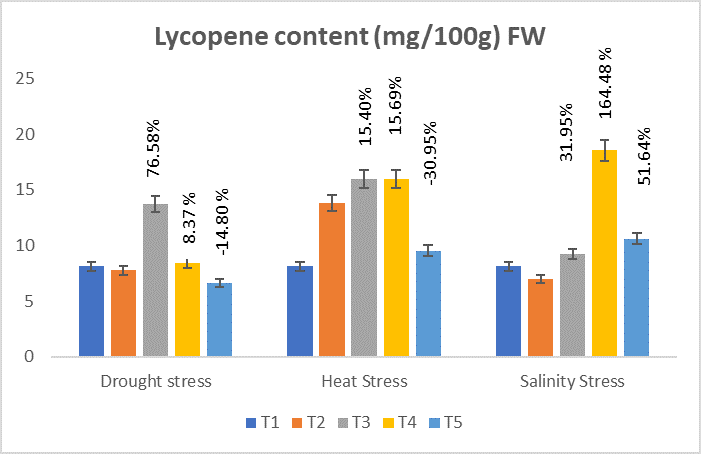
T1- Absolute Control
T2: Stress Control
T3: Carrabiitol treated Seed & Foliar Spray at vegetative stage
T4 : Carrabiitol treated Seed, Foliar Spray at vegetative stage and pre-flowering stage
T5 : Commercial control foliar spray at vegetative and pre-flowering stage
Total Carotenoids
Improved total carotenoid content was also observed in Carrabiitol®-treated plants under abiotic stress.
Agronomic Interpretation
Across the evaluated conditions, Carrabiitol treatment demonstrated the potential to support tomato productivity under abiotic stress through improvements in fruit number, fruit weight and marketable yield, together with positive effects on selected fruit-quality parameters.
The results support the potential use of Carrabiitol® as part of an agronomic strategy for improving crop performance under challenging environmental conditions.
Interested in Evaluating Carrabiitol® in Your Crop or Geography?
Our team works with research institutions, agribusinesses and technology partners to evaluate Carrabiitol® across crops, climatic conditions and production systems.